Getting Started with AI-Generated Screenplays
Your first steps to using AI screenplay generation to bring your creative vision to life.
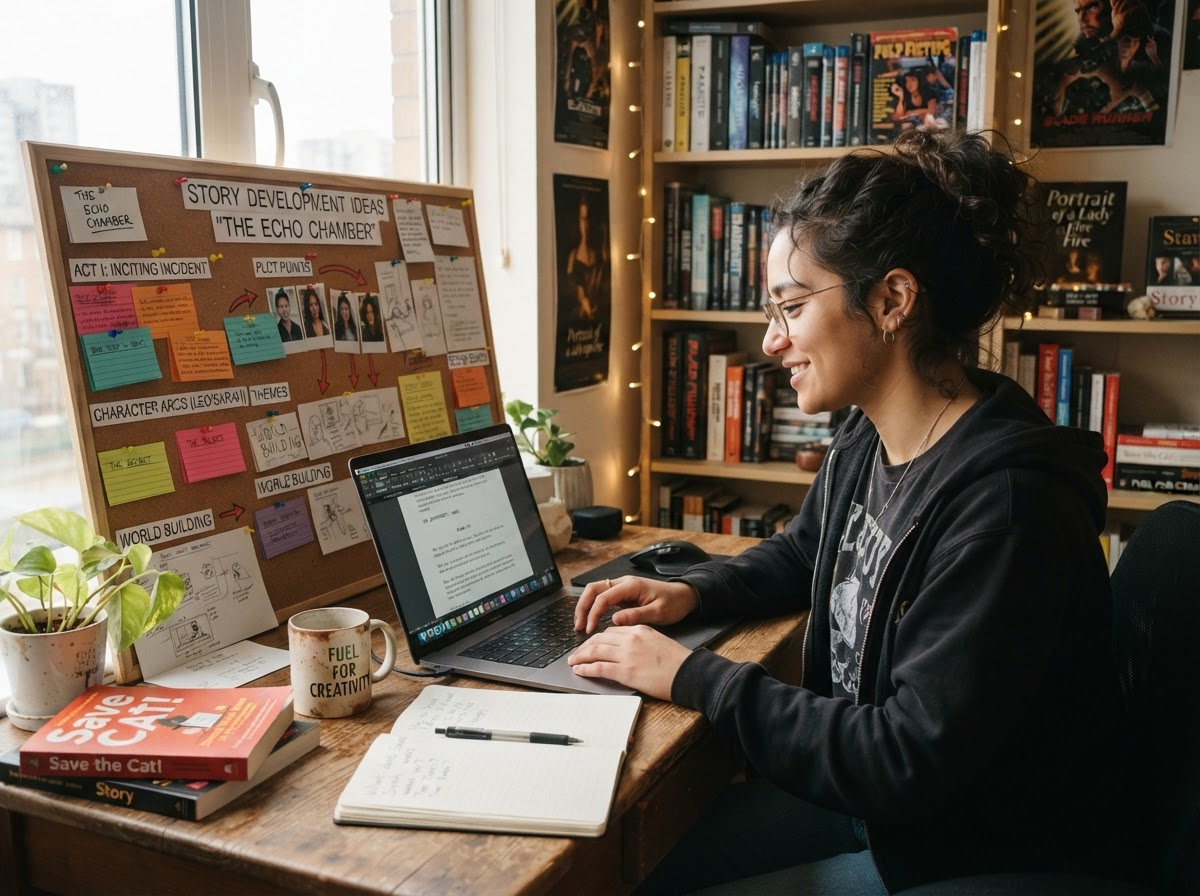
The idea of using AI to write screenplays sounds intimidating, but it’s easier than you think. This guide walks you through the process of getting your first screenplay generated and refined.
What You’ll Need
Before you start:
- A story concept: A basic idea, theme, or message you want to explore
- Genre clarity: Know what type of film you’re creating
- Target audience: Who is this story for?
- Runtime estimate: How long should it be? (5 min, 30 min, feature length?)
- 10 minutes of your time: That’s truly all you need to get started
Step 1: Define Your Story Concept
Start by answering these questions:
- What’s the main idea? (e.g., “A young girl discovers she has healing powers”)
- Who is the protagonist? (e.g., “Sarah, a 16-year-old from Lagos”)
- What do they want? (e.g., “To save her dying brother”)
- What gets in the way? (e.g., “The powers come with a cost—it drains her own life force”)
- What’s the message? (e.g., “Love and sacrifice transform us”)
You don’t need a full outline. Just these core elements.
Step 2: Choose Your Genre and Style
Be specific about your genre:
- Christian drama: Faith-centered, redemptive themes
- Nollywood drama: Character-focused, emotional depth
- YouTube short: Punchy, high-concept, shareable
- Documentary-style: Real stories, authentic voice
- Action/thriller: Plot-driven, high stakes
- Comedy: Humor-centered, relatable moments
Step 3: Specify Runtime and Structure
This matters because it shapes story structure:
- 3-5 minutes: Hook concept, one central scene
- 10-15 minutes: Full story arc, 2-3 scenes
- 30 minutes: Developed plot, multiple scenes, character arcs
- Feature (90+ minutes): Complex story, multiple subplots, full character development
Step 4: Generate Your Screenplay
With Clear Difference AI Studio, you’ll:
- Enter your story concept
- Select genre and style
- Specify runtime
- Click “Generate”
- Get a production-ready screenplay in minutes
The AI will create:
- Professional formatting
- Character descriptions
- Dialogue
- Scene descriptions with cinematographic direction
- Pacing appropriate for your runtime
Step 5: Review and Refine
Your generated screenplay is a starting point, not the final product. Now comes the creative work:
- Read it aloud: Does the dialogue sound natural?
- Check character consistency: Do they sound like distinct people?
- Refine pacing: Are there slow moments you can cut?
- Add your voice: Inject cultural nuances, humor, specific details
- Polish dialogue: Make it sound like real people talking
Step 6: Add Your Creative Touch
This is where your vision becomes reality:
- Cultural authenticity: Ensure Nigerian/African contexts feel real
- Emotional depth: Deepen character motivations
- Sensory details: Add sights, sounds, feelings
- Unique elements: What makes this YOUR story?
- Message clarity: Is your core idea coming through?
Step 7: Prepare for Production
Once your screenplay is refined:
- Break it down: Identify all locations, props, and characters needed
- Create shot lists: Plan your visual approach
- Build a budget: Estimate costs for locations, equipment, crew
- Gather resources: Scout locations, cast characters, secure equipment
- Schedule production: Create a realistic timeline
Common Questions
Q: Will the AI screenplay feel generic? A: No. The AI creates a solid foundation, but your creative refinement makes it unique. The best results come from human creativity + AI efficiency.
Q: Can I use the screenplay as-is? A: Yes, you can. Many filmmakers do. But spending 30 minutes refining dialogue and character details will significantly improve the final film.
Q: What if I don’t like the generated screenplay? A: Generate again with different parameters. Experiment with variations until you find one that resonates.
Q: How long does the whole process take? A: From concept to production-ready screenplay: 30-60 minutes. From screenplay to finished film: 2-6 weeks depending on scope.
Your Next Step
Your story is waiting to be told. The only thing between your imagination and the screen is this screenplay. With AI handling the technical structure, you’re free to focus on what matters: telling a story that moves people.
Start with your concept. Generate. Refine. Create.
The world is waiting for your film.